
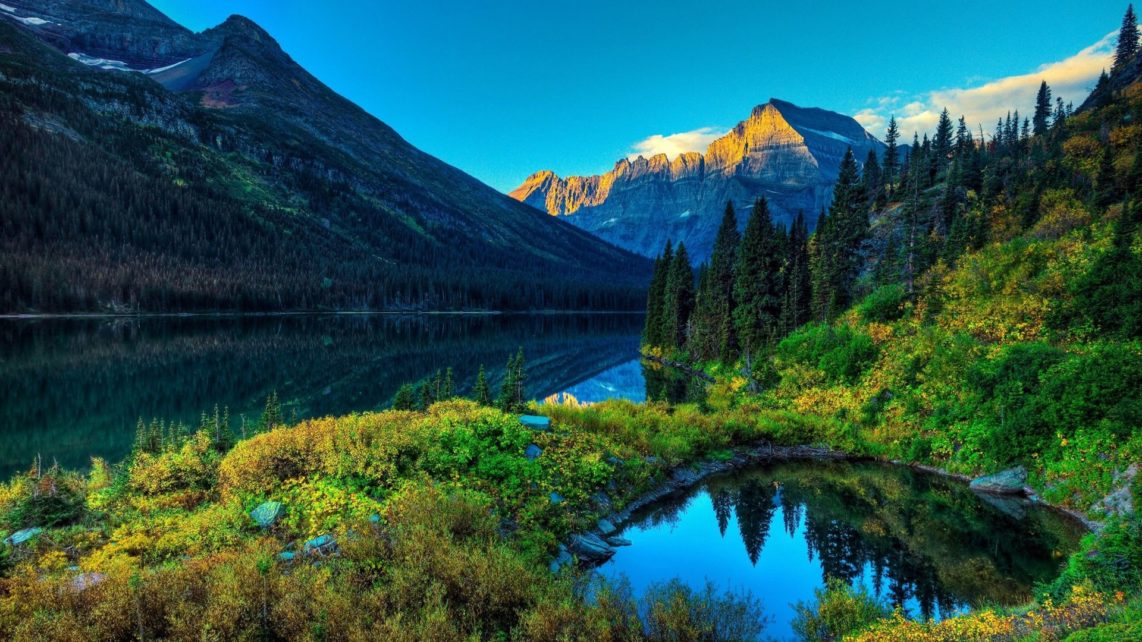
Picture this: crisp mountain air stinging your cheeks, powdery snow spraying behind you, and the stunning peaks of the Tatra Mountains surrounding you on all sides. That’s what awaited us in Zakopane, Poland’s premier winter destination, and honestly? It exceeded our expectations in ways we didn’t anticipate.
Zakopane sits at the foot of the Tatras, earning its reputation as Poland’s winter sports capital. While most visitors flock here for skiing or thermal baths, we chose snowmobiling—and this decision transformed our entire trip. If you’re considering this adventure, you need the unfiltered truth about what really happens out there on those mountain trails. This isn’t your typical promotional fluff. I’m sharing the good, the challenging, and the surprisingly difficult parts that no one talks about.
Planning Our Zakopane Snowmobiling Adventure
Finding the Right Tour Operator
Research became my evening obsession for about two weeks. I compared at least seven different operators, reading reviews in Polish, English, and even broken German translations. The price range surprised me—from 250 PLN to 600 PLN per person for similar-looking experiences. What explained this gap?
After digging deeper, I discovered the differences: tour duration (30 minutes to 2 hours), group sizes (4 to 15 people), equipment quality, and route exclusivity. Some operators crammed groups together on overused trails near parking lots. Others offered genuine mountain experiences.
Here’s what typically comes included:
- Snowmobile rental (obviously)
- Safety helmet and winter suit
- Gloves (though I recommend bringing your own)
- Insurance coverage
- Guide services
- Safety briefing
I eventually found a comprehensive tour through https://krakowdirect.com/zakopane-snowmobile-quad-tour-with-bonfire-and-hot-springs/ that combined snowmobiling with additional winter activities. The package included hot springs access afterward—perfect for soothing muscles I didn’t know I had.
What You Actually Need to Bring
My packing list looked reasonable on paper. Reality taught me different lessons.
Bring these essentials:
- Thermal underwear (not optional—trust me)
- Waterproof winter boots with good ankle support
- Your own gloves if you have sensitive hands
- Sunglasses or ski goggles (snow blindness is real)
- Lip balm and sunscreen (February sun reflects intensely off snow)
The tour provided winter suits, but they’re one-size-fits-most—meaning they fit nobody perfectly. I’m 178 cm tall, and my suit bunched awkwardly at the ankles while feeling tight across the shoulders.
Legal Requirements Worth Knowing
You need a valid driver’s license (car license works fine—no special certification required). The minimum age is typically 18 to drive solo, though some operators allow 16-year-olds with parental consent. Children from age 7 can ride as passengers.
Insurance comes standard, but read the fine print. You’re liable for damages up to 500 EUR in most cases if you crash due to reckless driving.
The Actual Snowmobiling Experience
Safety Briefing: More Important Than You Think
We met at a lodge 15 minutes outside central Zakopane. Check-in took longer than expected—about 30 minutes total—because they verified everyone’s licenses individually and had us sign multiple waivers.
The safety briefing felt rushed at first, delivered in Polish and English simultaneously. Our guide, Marek, demonstrated the controls: throttle, brake, how to shift weight in turns. He made it look effortless. “Very simple,” he kept saying. “Like riding scooter.”
Spoiler alert: It’s not like riding a scooter.
They suited us up in bulky winter overalls. The helmet felt claustrophobic until I adjusted the visor. Gloves came next—thick, insulated, and awkward for gripping controls. I questioned whether I’d feel the throttle through all that padding.
First Moments on the Snowmobile
My hands shook as I mounted the machine. It felt heavier and more powerful than expected—around 250 kg of metal and engine beneath me. The starter button engaged with a aggressive roar that vibrated through my entire body.
Marek led us on a practice loop around the parking area. I squeezed the throttle too hard initially, lurching forward and nearly colliding with a fence. My heart hammered. Behind me, I heard someone else’s engine cut out as they stalled.
After 10 minutes of figure-eights and gentle turns, we headed toward the trail. The real trail. The mountain trail where things got interesting.
The Mountain Trail Reality
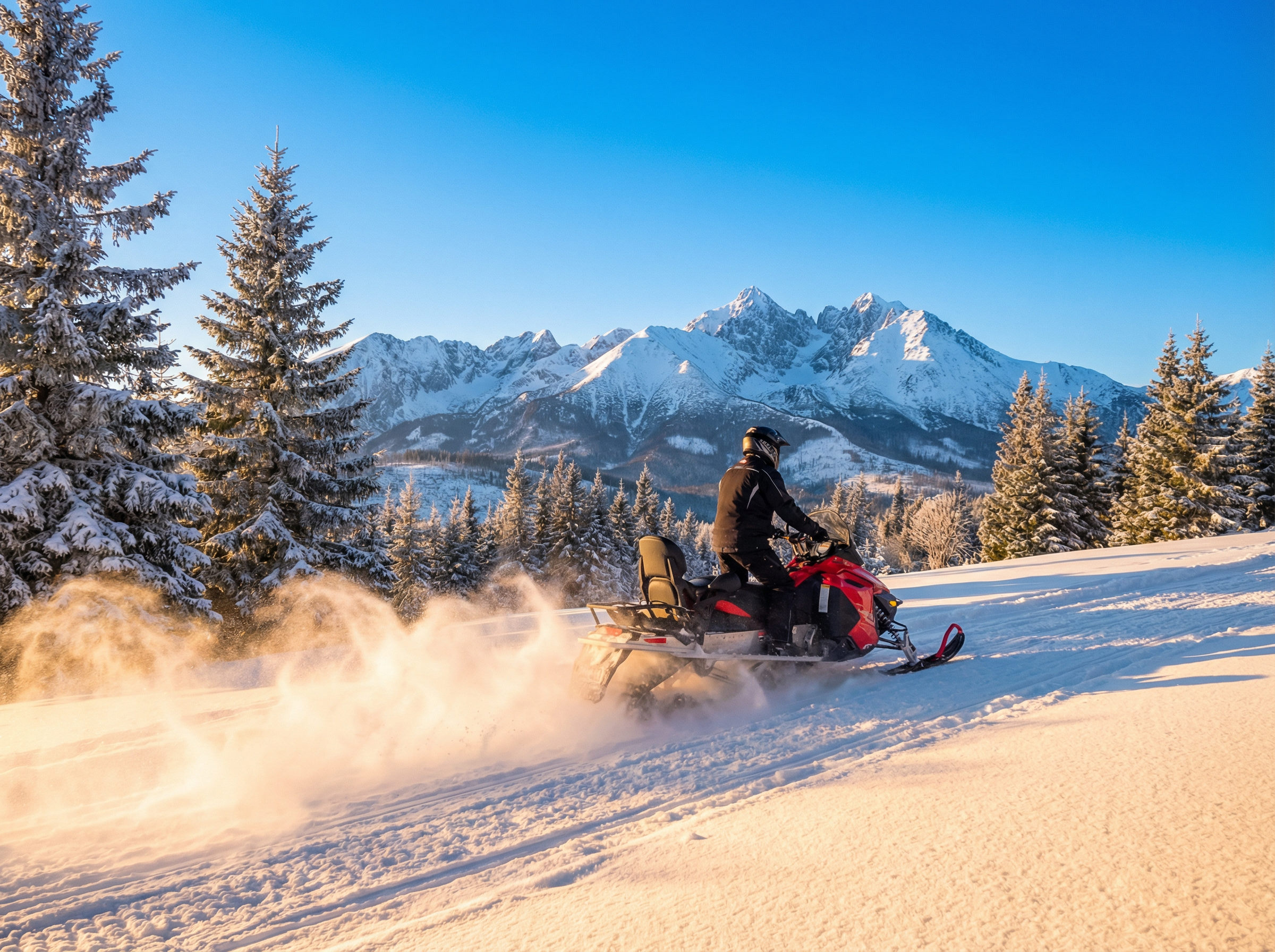
The first section followed a relatively flat forest path. Trees created a natural corridor, limiting how wild anyone could get. Snow flew up from the person ahead of me, occasionally hitting my visor and obscuring vision. I learned to maintain distance—at least 10 meters.
Then we started climbing. The trail narrowed and steepened. My snowmobile’s engine whined louder as we ascended. Marek had warned us: lean forward on climbs, lean back on descents. Sounds simple until you’re actually doing it while steering around exposed rocks and frozen tree roots.
The scenery was absolutely stunning. We emerged from the forest onto an open slope with panoramic views of the Tatra peaks. Giewont mountain stood prominently against a crystalline blue sky. We stopped for photos, and this became my favorite moment—when the adrenaline settled and I could actually appreciate where we were.
The descent challenged me more than climbing. Speed builds quickly, and the brake requires more confidence than I possessed. I squeezed too hard once, skidding sideways and sending my passenger (my brother) into a mild panic. He gripped my waist tighter for the rest of the ride.
What Nobody Tells You About the Physical Demands
My forearms burned within 30 minutes. Gripping the throttle and maintaining control engages muscles you don’t use in daily life. By the end of the 90-minute tour, my hands cramped so badly I struggled to remove my gloves.
Your core works constantly for balance. Your thighs strain from gripping the seat, especially during turns or rough terrain. The vibrations from the engine travel through your entire body—I felt this for two days afterward.
Beyond the Ride: The Complete Experience
Our Guide Made the Difference
Marek proved knowledgeable and patient. He stopped frequently to check on everyone, helped a woman who kept stalling, and pointed out wildlife tracks in the snow. He spoke excellent English, which helped since half our group were international tourists.
Group size matters enormously. We had 8 people, which felt manageable. Larger groups mean more waiting, more stops, and less individual attention when you’re struggling with technique.
Was It Worth the Money?
We paid 380 PLN per person (about 88 EUR in 2026). This included:
- 90 minutes of actual riding time
- All equipment
- Hot beverage afterward
- Professional photos taken by Marek
Honest assessment: Yes, worth it—but barely. For comparison, a full day of ski equipment rental costs around 150 PLN, and ski passes run about 200 PLN. Snowmobiling costs more per hour but delivers a unique experience you can’t get elsewhere.
The value depends heavily on conditions. We had perfect weather—sunny, -5°C, excellent snow. Had it been cloudy or stormy, I’d have felt differently about the price.
Practical Timing Considerations
Book morning tours if possible. Trails get choppier as the day progresses with more traffic. We went at 10 AM and had relatively smooth conditions.
Winter season runs from December through March. February offers the best combination of snow depth and daylight hours. Early December can lack sufficient snow; March brings warmer temperatures that create icy, unpredictable conditions.
Photography while riding? Forget it. Keep your phone secured. We attempted a GoPro mount, but the vibrations made footage unwatchable. Rely on stopped photo opportunities—Marek gave us three good breaks for pictures.
What We Wish We’d Known Before Going
The Honest Pros and Cons
Pros:
- Genuinely thrilling experience
- Stunning mountain scenery
- Guides prioritize safety
- Less crowded than ski slopes
- Great for mixed-ability groups (passengers can simply enjoy the ride)
Cons:
- Physically demanding—more than advertised
- Expensive per hour of activity
- Weather-dependent (tours cancel in poor conditions)
- Limited actual “speed” moments—most riding is controlled and moderate
- Post-ride soreness is real and uncomfortable
Who Should Actually Do This?
This activity suits adventure-seekers with reasonable fitness levels. If you have wrist, shoulder, or back problems, reconsider. The constant vibration and gripping aggravates existing issues.
Families work well if children ride as passengers. Solo riders need confidence with vehicles and comfort with speed. Older adults can absolutely participate—we had a 62-year-old in our group who handled it better than I did.
Skip snowmobiling if you:
- Want a relaxing winter activity
- Have limited budget (better value exists elsewhere)
- Prefer self-paced experiences (you’re locked into group speed)
- Dislike cold weather intensely
What I’d Do Differently Next Time
I’d bring hand warmers. Despite thick gloves, my fingers went numb during the final 20 minutes. These small heat packs make a huge difference.
I’d wear ski goggles instead of sunglasses. Snow spray hits your face constantly, and goggles provide better protection.
I’d book a longer tour—90 minutes flew by once I got comfortable with the controls. Just when I felt confident, we turned back. The 2-hour options allow you to actually enjoy the riding instead of constantly learning.
I’d also schedule the hot springs immediately after. We waited three hours, and by then I’d stiffened up considerably. The thermal baths at Chocholow (included in some packages) work wonders on sore muscles if you go within an hour of finishing.
Final Verdict
Would I snowmobile in Zakopane again? Yes, absolutely. But with adjusted expectations.
This isn’t a casual activity. It demands physical effort, concentration, and a genuine tolerance for cold. The scenery delivers something truly special—those Tatra Mountain views from a snowmobile feel different than from a ski lift or hiking trail.
The experience works best as part of a larger Zakopane trip, not as your sole activity. Combine it with skiing, thermal baths, and exploring the town itself. Zakopane offers incredible winter diversity, and snowmobiling adds one memorable piece to that puzzle.
If you’re booking, prioritize smaller groups, experienced operators, and longer tour durations. Read recent reviews obsessively. Ask questions about exact routes and group sizes. The difference between a good operator and a mediocre one determines whether you leave exhilarated or disappointed.
My muscles ached for two days. My face got windburned despite sunscreen. My brother still jokes about my sideways skid. And I’d do the entire thing again tomorrow, given the chance. That probably tells you everything you need to know about snowmobiling in Zakopane—it’s challenging, expensive, occasionally frustrating, and completely worth experiencing at least once.